Which court cases shape personal injury claims in Georgia?
Court rulings guide how Georgia injury claims are judged. Three examples: Atlanta Gas Light Co. v. Brown, on visible road hazards; Martin v. Six Flags Over Georgia II, L.P., on attacks that begin on a property; and SEPID LLC v. Dock, on when a bar answers for a drunk driver. The Scott Pryor Law Group applies them to each case.
Key takeaways
- Court rulings shape what evidence matters and who can be held responsible in a Georgia injury claim.
- Atlanta Gas Light Co. v. Brown held that a driver who could have avoided a visible hazard with ordinary care could lose compensation.
- Martin v. Six Flags Over Georgia II, L.P. extended premises liability to injuries that begin on a property and continue elsewhere.
- SEPID LLC v. Dock ties a bar's liability for a drunk driver to whether the bar knew the patron intended to drive.
- You do not need to know case law to bring a claim. You do need to watch Georgia's filing deadline.
How do past court decisions affect a personal injury case in Georgia?
Past court decisions shape how a Georgia personal injury claim is judged today. They guide what evidence matters, which arguments carry weight and who can be held legally responsible. The Scott Pryor Law Group uses these rulings, and others like them, to build fact-driven cases for its clients.
Insurance companies, defense lawyers and judges read the same decisions. An adjuster weighing your claim is asking how a court would treat facts like yours, and past rulings are where that answer starts.
Some rulings change the law. Others draw a line around an existing rule, so both sides know where it stops. Three Georgia rulings show how that works:
| Case | Court and year | What it addressed |
|---|---|---|
| Atlanta Gas Light Co. v. Brown | Georgia Court of Appeals, 1956 | A driver’s duty to avoid a visible road hazard |
| Martin v. Six Flags Over Georgia II, L.P. | Georgia Supreme Court, 2017 | An attack that began on a property and ended off-site |
| SEPID LLC v. Dock | Georgia Court of Appeals, 2025 | When a bar is liable for a drunk driver |
Each ruling turned on its own facts. Your claim will too, which is why a ruling is a starting point for the questions a case has to answer.
What did Atlanta Gas Light Co. v. Brown decide about road hazards?
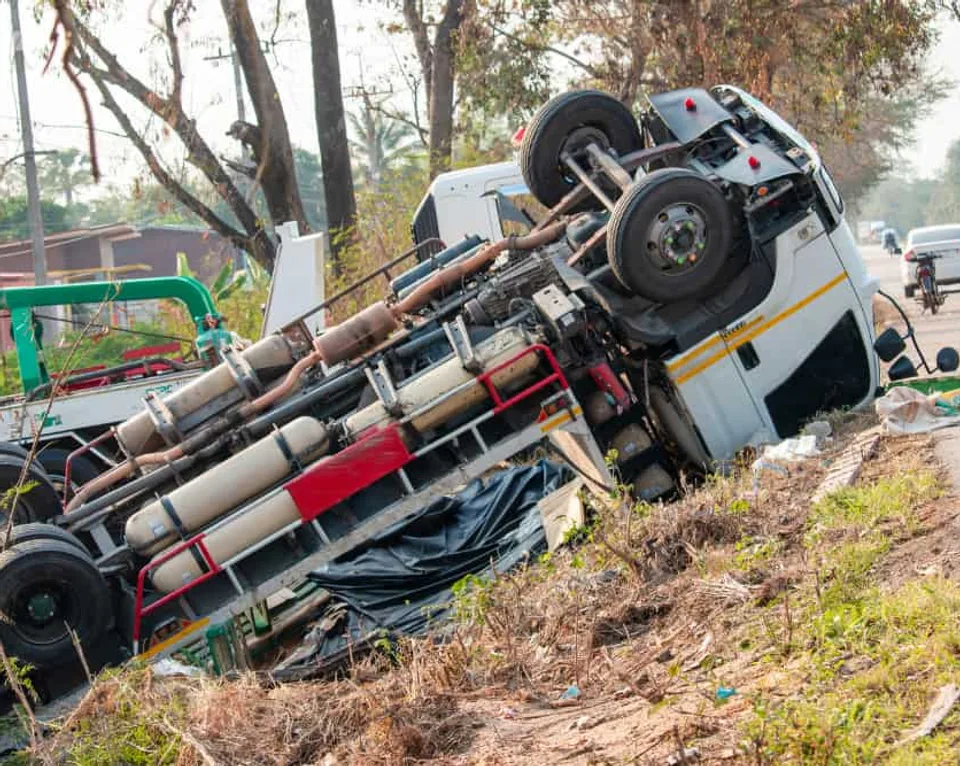
In Atlanta Gas Light Co. v. Brown, a 1956 wrongful death case, the Georgia Court of Appeals held that a driver who could have avoided a visible hazard through ordinary care could lose compensation. The Scott Pryor Law Group looks at that same question in Georgia crash claims today: what each driver could have seen and done.
What happened. Atlanta Gas Light Company left a pile of dirt in the road with no warning signs. A driver died in the crash that followed, and the claim was brought as a wrongful death case.
What the court decided. The court found that the driver could have avoided the accident by using ordinary care. The ruling established that a visible hazard, such as loose dirt, requires a driver to adjust. A driver who does not adjust risks losing compensation, even when someone else created the hazard.
What it means now. Fault is still weighed on both sides of a Georgia claim. Insurers look for anything the injured person could have done differently and use it to lower what they pay. Georgia’s current rule on shared fault: If you are less than 50% at fault, you can still recover damages, reduced by your percentage of fault. O.C.G.A. § 51-12-33
That makes early evidence about the scene important: photos, whether any warning was posted, how visible the hazard was and what witnesses saw. A claim that shows what the injured person could and could not have seen is harder to discount.
If you lost a family member in a crash, our Georgia wrongful death lawyer page explains how those claims work. For other crashes, see our Georgia car accident lawyer page.
What did Martin v. Six Flags Over Georgia II, L.P. decide about attacks on a property?
In Martin v. Six Flags Over Georgia II, L.P., the Georgia Supreme Court held the park liable for an assault that began on its property and ended off-site. The 2017 ruling expanded Georgia premises liability law to include injuries that begin on a property, even if they continue elsewhere. The Scott Pryor Law Group handles premises liability claims.
What happened. An assault began on Six Flags property and ended off-site.
What the court decided. The Georgia Supreme Court held the park liable. The ruling expanded premises liability to cover injuries that begin on a property, even when they continue somewhere else. It strengthened protections for people hurt by foreseeable violence from third parties.
What it means now. “Foreseeable” is the word that matters. It asks whether the danger was one the property owner could have expected. An injury does not have to happen entirely on the property for the owner’s responsibility to be part of the claim.
Claims like this often turn on what the owner knew before the incident and what it did about it. That is evidence a property owner holds, which is one reason to look into a claim early.
Our Georgia premises liability lawyer page covers injuries on unsafe property in more detail.
Can a bar be held responsible for a drunk driving crash in Georgia?
Whether a Georgia bar answers for a drunk driving crash depends on what it knew. In SEPID LLC v. Dock, a 2025 decision, the Georgia Court of Appeals ruled that bars are not liable under the Dram Shop Act unless they have actual knowledge that an intoxicated patron intends to drive. The Scott Pryor Law Group investigates that question.
What the court decided. The ruling set a clear boundary for businesses that serve alcohol. It clarifies when they may be held responsible for DUI crashes. Serving an intoxicated patron is not enough on its own under this ruling. The question is whether the bar actually knew the patron intended to drive.
What it means now. The driver who caused the crash is still responsible for it. The rule: Georgia follows an at-fault system: whoever caused the crash is liable. O.C.G.A. § 51-1-6
A bar’s liability is a separate question with its own proof. When it applies, it can add another party to the claim. When it does not, the case runs against the driver and the insurance available.
Insurance matters here too. If the drunk driver carried too little coverage, your own policy may help. Our page on uninsured motorist claims explains how that coverage works.
Do I need to know Georgia case law to bring an injury claim?
No. Georgia personal injury law keeps changing through court decisions, and no injured person needs to know every one. Applying them to the facts of a case is The Scott Pryor Law Group’s job. What you do need to watch is the deadline to file a lawsuit.
The deadline: Victims generally have two years to file a personal injury lawsuit. O.C.G.A. § 9-3-33
What matters more than any single ruling is the evidence in your own case and how early it is gathered. Scene photos, reports, medical records and witness accounts are easier to collect in the first weeks than the first year.
That is why we start protecting a case right away:
- Preserving evidence before it is lost.
- Reviewing crash or incident reports.
- Gathering medical records.
- Handling the insurance company’s calls, so you are not answering an adjuster’s questions about fault on your own.
Our guide to how Georgia personal injury settlements are calculated covers what decides the value of a claim.
Talk to a lawyer before you accept an insurer’s offer, especially if you were seriously hurt or fault is disputed. The consultation is free, and you don’t pay unless we win your case.
Here is what happens when you call:
- We listen. We want to hear what happened and how it has affected you.
- We make a plan together. If we can help, we explain the next step clearly. If we cannot, we still try to point you in the right direction.
- We tell you the truth. No pressure and no false promises.
See the cases we handle on our practice areas page, or review our case results. Schedule a free consultation. Phones answered 24/7.
Hurt in Georgia? The consultation is free. You don't pay unless we win your case.
Free Case Review or call (404) 474-7122