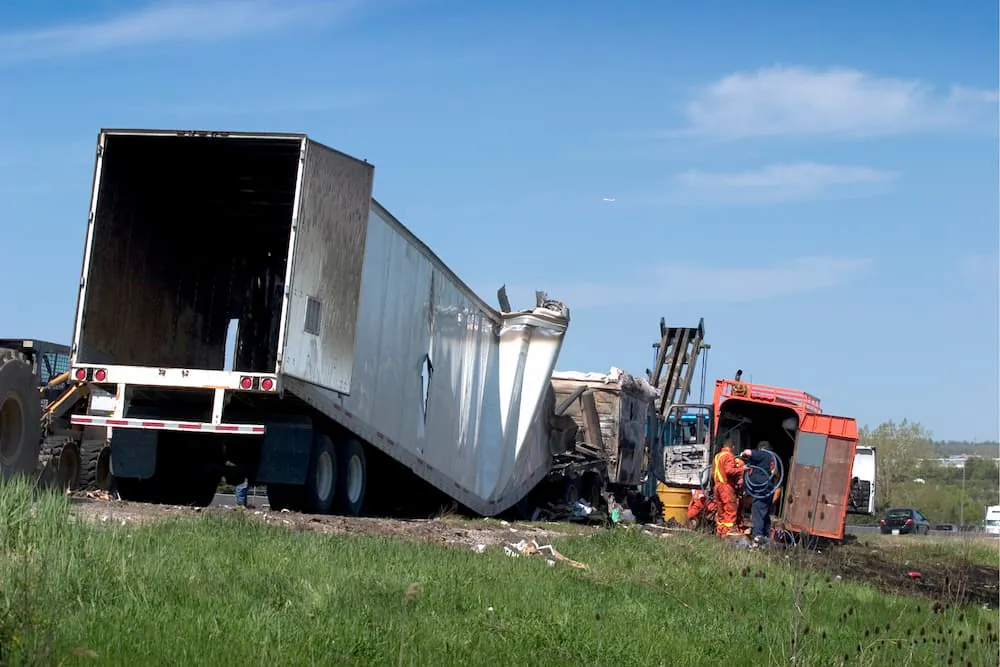
What happens if you play chicken with an 18-wheeler in Georgia?
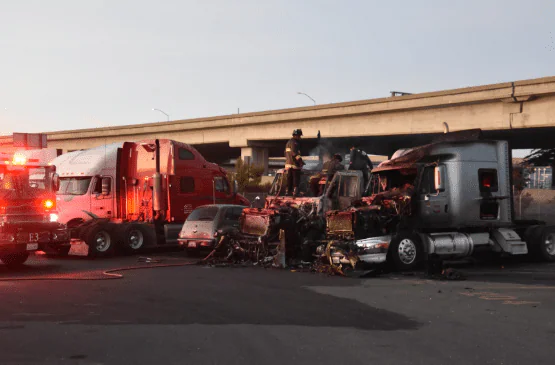
Playing chicken with an 18-wheeler, by cutting it off, crowding it or refusing to let it merge, risks a crash where the people in the car suffer greater injuries. If your move helped cause it, it can also hurt your claim. The Scott Pryor Law Group looks at what both drivers did in a Georgia truck crash.
Key takeaways
- A heavy truck cannot stop or swerve as quickly as a car. Never cut in front of one and brake.
- Large trucks have four blind spots. Stay out of them, and never pass on the right.
- Fault can sit with either driver, or both. Your share of it changes what you can recover.
- Talk to a lawyer before you talk to the trucking company's insurer.
Why is it dangerous to play chicken with an 18-wheeler?
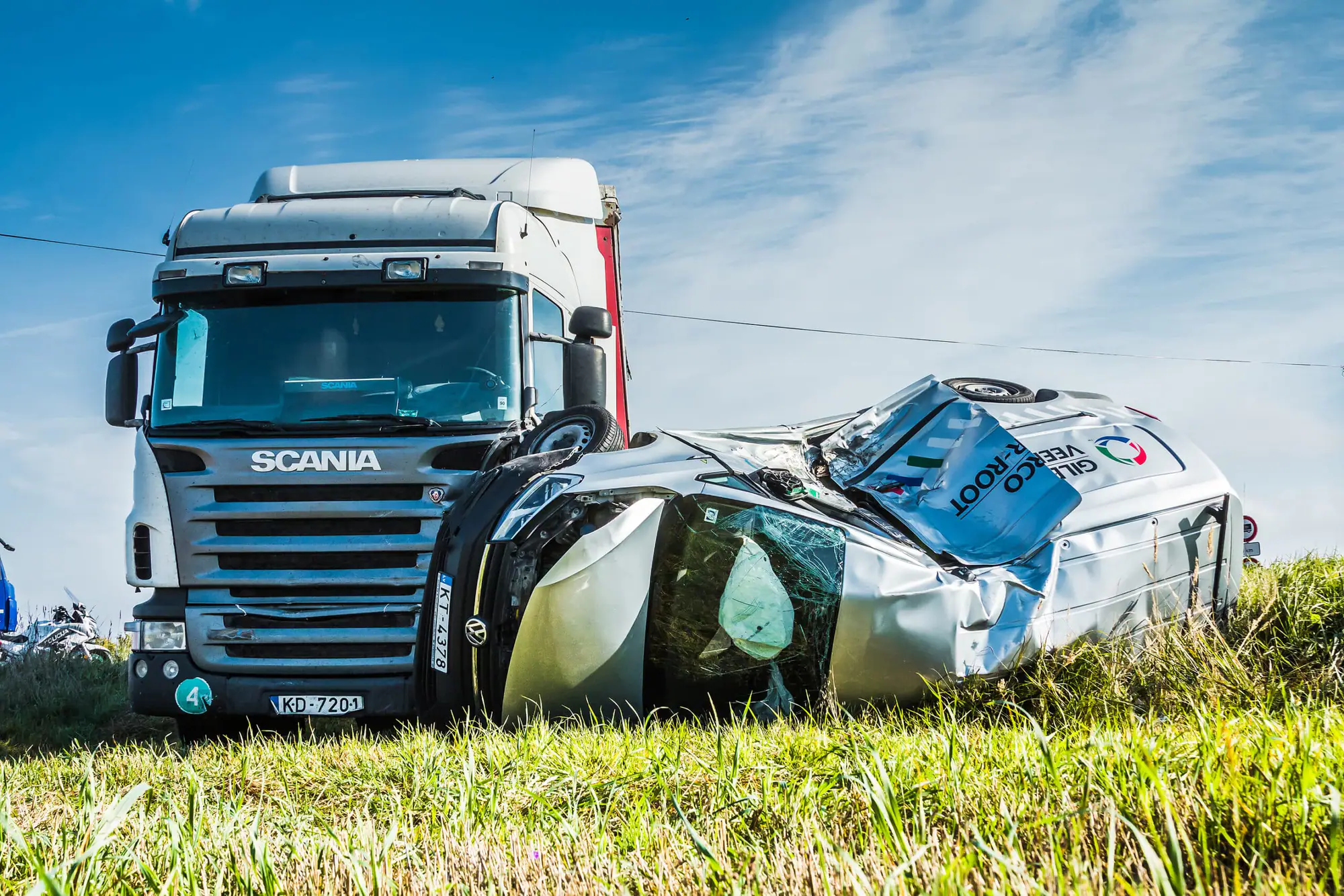
Playing chicken with an 18-wheeler is dangerous because the truck cannot stop or swerve quickly. When a car and a big rig collide in Georgia, the people in the car suffer greater injuries, often permanent or fatal ones. The Scott Pryor Law Group starts each truck crash case by finding out how the crash began.
Playing chicken means daring a truck driver to react in time. It looks like this:
- Cutting in front of a truck, then braking
- Speeding up so a signaling truck cannot merge, to avoid getting stuck behind it
- Lingering in a truck’s blind spot
- Passing a truck on the right
- Tailgating the car ahead of a truck, so a sudden stop leaves the truck nowhere to go
Each one counts on the truck driver to do something a heavy truck cannot do. Size and weight make a truck hard to maneuver. A loaded truck needs more room to slow down than a car does, and on wet or icy roads it needs more still. When the truck cannot stop in time, the car takes the force of the crash.
The fix costs a few seconds. Give trucks room, and let them in. Being stuck behind a truck for a mile is a small price next to a crash with one.
Who is at fault when a car and an 18-wheeler crash in Georgia?
Fault in a Georgia car and 18-wheeler crash goes to whoever caused it, and that can be the truck driver, the car driver or both. People often assume the truck driver is to blame, and that is not always true. The Scott Pryor Law Group investigates what both drivers did before it judges a truck crash claim.
Georgia’s at-fault rule: Georgia follows an at-fault system: whoever caused the crash is liable. O.C.G.A. § 51-1-6
Fault can also be shared. Georgia’s comparative negligence rule: If you are less than 50% at fault, you can still recover damages, reduced by your percentage of fault. O.C.G.A. § 51-12-33
That is where playing chicken hurts a driver twice. A driver who cut in front of a truck and braked may be badly hurt, and may also be assigned a share of the fault under that rule.
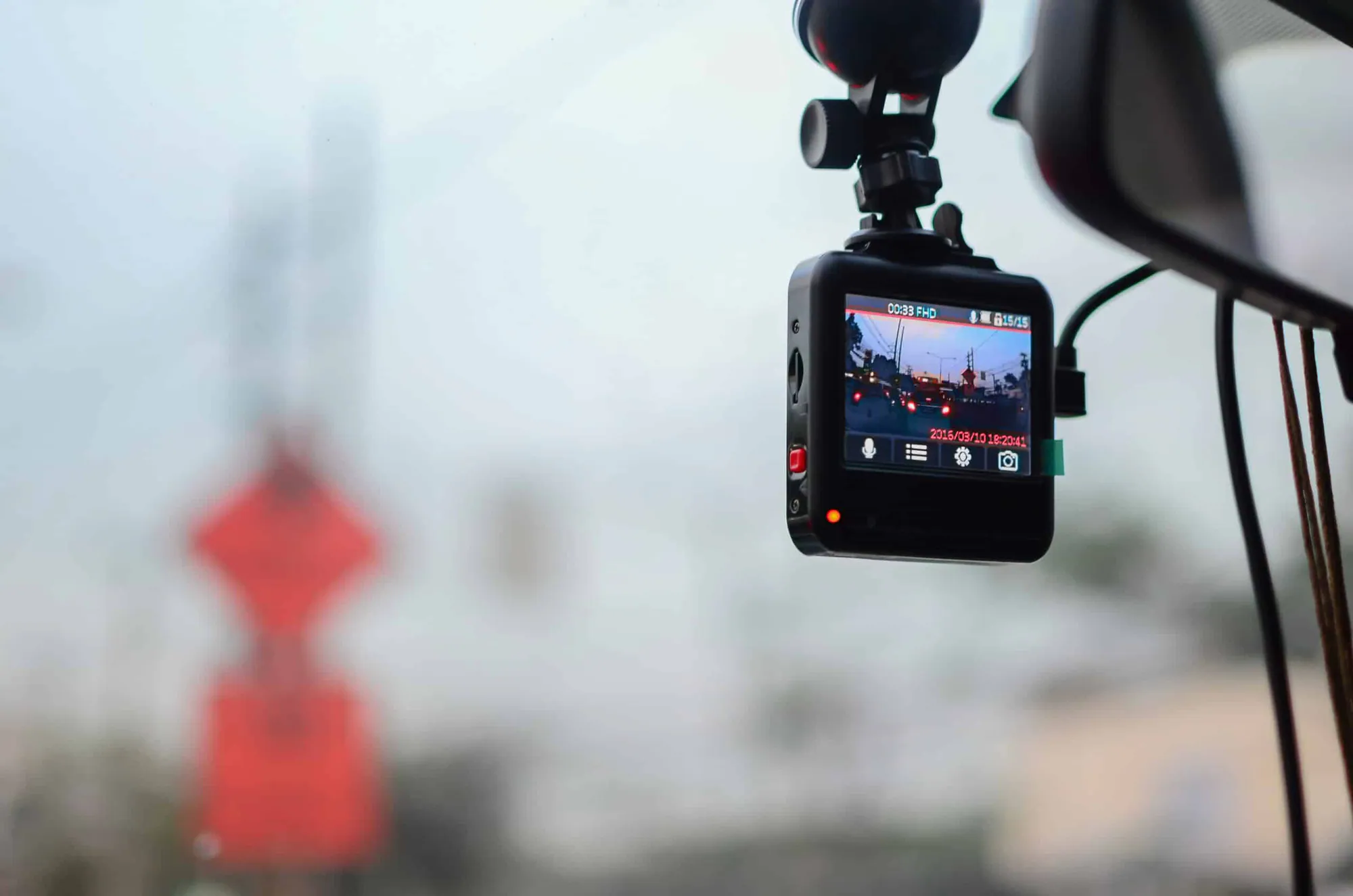
Insurers know this. A trucking company’s insurer will look for any sign that the car crowded the truck, sat in a blind spot or stopped short. The evidence decides it: the truck’s own data, video, witness statements and the scene itself. Video often settles what happened. See how dashcam footage affects a truck accident claim.
A share of fault assigned to you should match what the evidence shows. We gather that evidence early, before it is lost.
What truck driver mistakes cause 18-wheeler crashes?
Truck drivers cause Georgia 18-wheeler crashes through fatigue, speed, distraction, following too close, poor maintenance and losing control of a heavy truck. The Scott Pryor Law Group checks each of these in a truck crash case, along with whether the trucking company followed the safety rules that apply to it.
- Size and weight. A tall, heavy truck is hard to maneuver. When something unexpected happens, such as a blown tire, a driver can lose control while trying to recover.
- Maintenance. A truck that covers thousands of miles a week needs steady upkeep. Drivers are responsible for checking the truck at the start of each shift. Even a hairline crack in the windshield can lead to a crash that should never have happened.
- Weather. Rain, ice and snow make a heavy truck harder to stop and easier to skid.
- Driver error. Fatigue, drug or alcohol use, distraction, following too close, unfamiliar roads and speeding.
Trucking companies answer to safety rules as well: Trucking companies must follow strict safety regulations, including limits on driver hours and maintenance requirements. O.C.G.A. § 40-1-8
A tired driver working past the permitted hours, or a truck that missed its maintenance, can put part of the fault on the company that runs the truck. Our Georgia truck accident lawyer page sets out who else can be liable.
What car driver mistakes cause crashes with 18-wheelers?
Car drivers cause Georgia crashes with 18-wheelers by tailgating, lingering in a truck’s blind spots, changing lanes without signaling and driving distracted. The Scott Pryor Law Group looks for these moves in each truck crash case, because the trucking company’s insurer will look for them too.
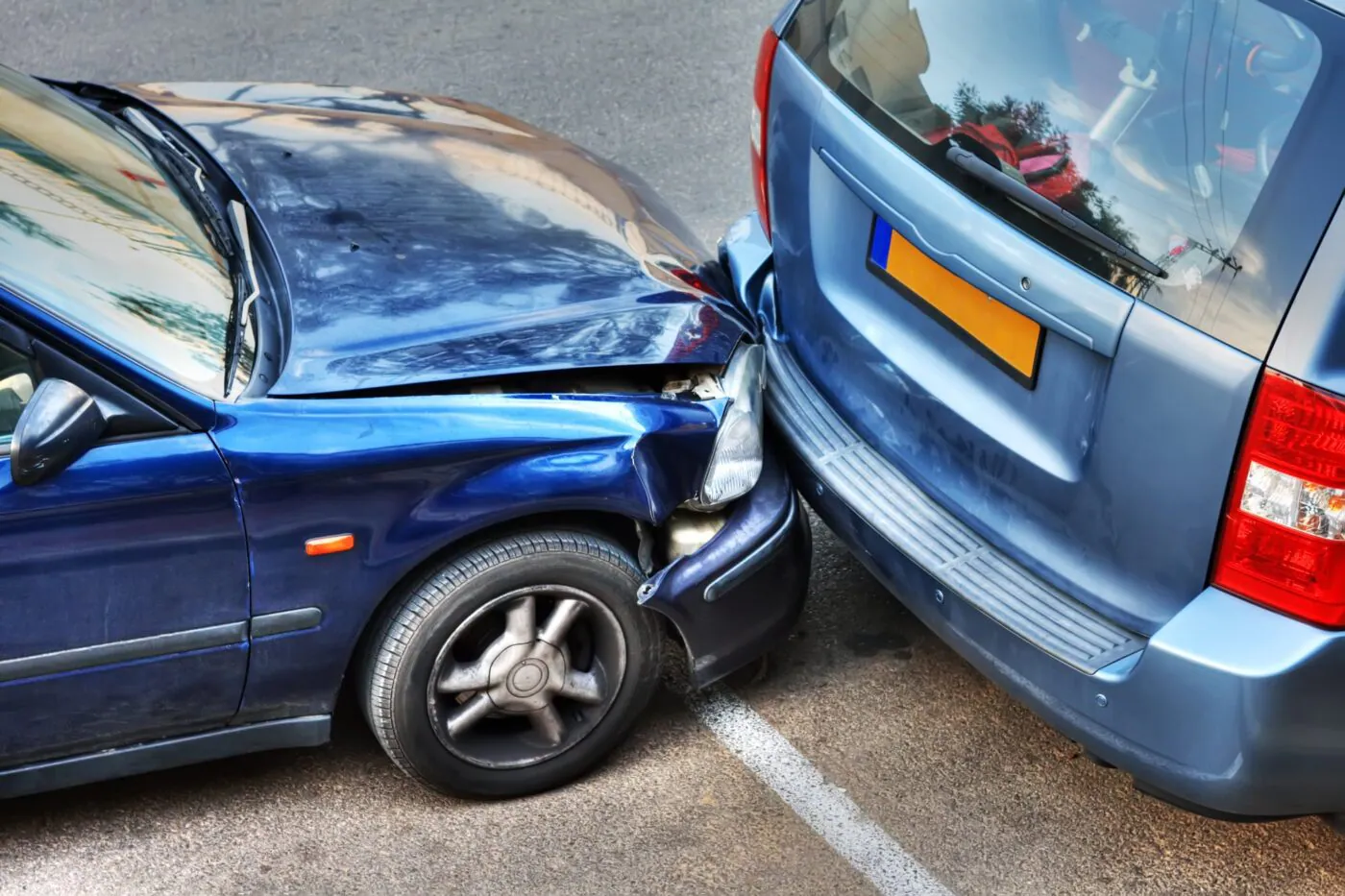
- Tailgating and sudden stops. A car that follows another car too closely may have to stop suddenly. The truck behind it cannot stop as fast, and the car in the middle takes the hit from behind.
- Blind spots. Large trucks have four blind spots, where a car has two. A car that stays in one is more likely to be hit.
- Lane changes. A car that cuts in without signaling, or changes lanes suddenly, can cause a side or rear impact.
- Distraction. Phones, and texting most of all, pull a driver’s attention off the road.
A car driver who made a mistake can still have a claim. Fault is weighed, and the truck driver’s share counts too. A truck driver who was speeding or following too close may carry more of the blame than the insurer first admits.
How do you drive safely around an 18-wheeler?
Drive safely around an 18-wheeler in Georgia by giving it space, staying out of its blind spots and never stopping short in front of it. Most car and truck crashes can be avoided. The Scott Pryor Law Group recommends these habits to anyone who shares the road with big rigs.
- Signal clearly before you change lanes.
- Stay out of a truck’s four blind spots.
- Give trucks plenty of space, and use caution when you pass.
- Never pass a truck on the right.
- Never stop abruptly in front of a truck.
- Let trucks in. If a truck signals to merge, do not speed up to keep from getting stuck behind it.
- Stay off your phone, and keep your attention on the road.
Passing a truck takes longer than passing a car, because the truck is so much longer. Keep moving through the blind spots along its side, and leave plenty of room before you move back in front of it.
Weather is outside anyone’s control. How you drive is in yours.
If a truck crash has already happened, our Georgia truck accident lawyer page lists the steps that protect your health and your claim. We offer a free consultation, and you don’t pay unless we win your case.
Schedule a free consultation. Phones answered 24/7.
Hurt in a truck or commercial vehicle crash in Georgia? The consultation is free. You don't pay unless we win your case.
Free Case Review or call (404) 474-7122