How can dashcam footage affect a semi-truck accident claim in Georgia?
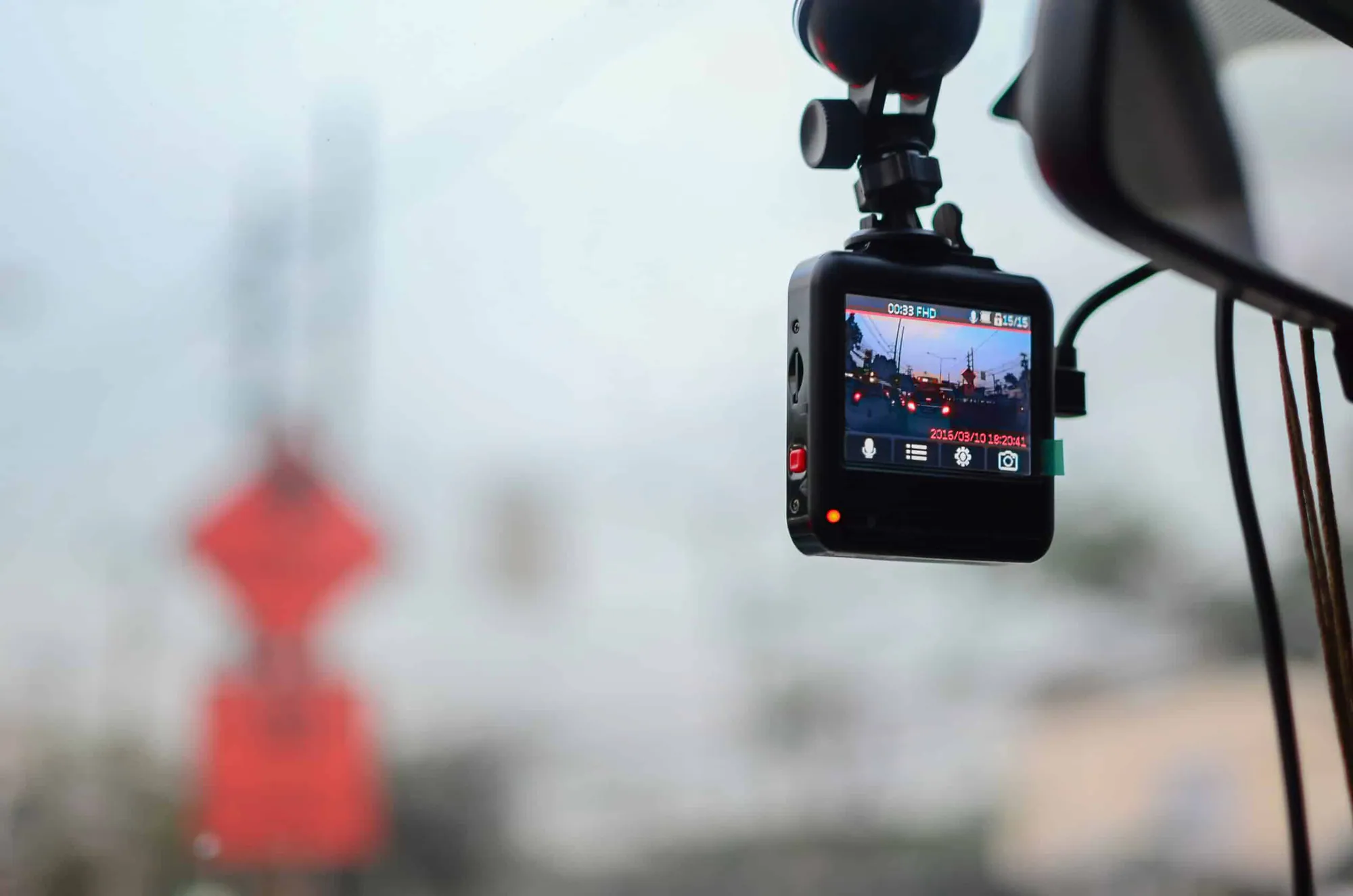
Dashcam footage can show who caused a Georgia semi-truck crash and how, and that can change how fault is split and what an insurer offers. Footage has to be preserved and authenticated, and it works alongside the truck's own data. The Scott Pryor Law Group moves to secure video and records early, before they can be lost.
Key takeaways
- Dashcam video can show who caused a truck crash, and it can help or hurt either side.
- Trucks record their own data. Logging devices track driving hours, and event data recorders capture the moments around a crash.
- A preservation demand sent early puts the trucking company on notice to keep its footage and data.
- Your own dashcam footage may have to be shared. Keep it, and let your lawyer decide how it is used.
- Video from a witness's car or a nearby camera can show what the drivers' cameras missed.
How can dashcam footage change a semi-truck accident claim in Georgia?
Dashcam footage can show the seconds before a Georgia semi-truck crash: who changed lanes, who braked and who was watching the road. That can settle a dispute over fault that would otherwise come down to one driver’s word against another’s. The Scott Pryor Law Group looks for video early in each truck accident case.
Dashcams have grown popular with commercial drivers. Trucking companies use them to settle disputes about who caused a crash and to check that drivers follow company rules. Everyday drivers use them too, especially people who spend a lot of time on the road or have young drivers in the family.
The need is real. According to the CDC, more than one-third of truckers have been in a serious crash at least once in their careers.
Video cuts both ways. A freight company will not be glad to share footage that shows its driver in a bad light. Your own dashcam can show your mistakes as well as the truck driver’s. And sometimes a driver who was not involved had a better view than anyone in the crash.
Footage matters most when insurers decide fault. Most truck accident claims settle through insurance. An adjuster reviews the evidence and assigns each driver a percentage of fault. The adjuster works for the company paying the claim, and that shapes the report. Clear video makes the percentage harder to bend.
Georgia’s comparative negligence rule shows why the percentage matters: If you are less than 50% at fault, you can still recover damages, reduced by your percentage of fault. O.C.G.A. § 51-12-33
Are dashcams legal in Georgia?
Yes. Dashcams are legal in Georgia, with limits on how they are mounted and what they record. When dashcam footage becomes evidence in a semi-truck accident claim, The Scott Pryor Law Group checks both, along with whether the footage can be authenticated, because footage a court will not accept does little for a claim.
Mounting: Non-transparent material may not be mounted on the windshield itself, but mounts for stand-alone cameras can qualify if the obstruction is minimal. O.C.G.A. § 40-8-73
Recording: Georgia law requires one party to consent to recording. O.C.G.A. § 16-11-66
Footage also has to be admissible to help in settlement talks or a lawsuit. That starts with authentication: someone must be able to show it was recorded at the time and date it claims. We gather the original files and the details that show where they came from.
A clip that has been trimmed, re-recorded on a phone or passed through several hands is harder to authenticate. The original file, kept as it came off the camera, is the version that counts.
What evidence does a semi-truck record besides dashcam video?
Most semi-trucks record data that can rebuild a Georgia truck crash, whether or not they carry a dashcam. Electronic logging devices track driving hours, and event data recorders capture what the truck did just before and after impact. The Scott Pryor Law Group requests both in a semi-truck accident case and brings in experts to read them.
Electronic logging devices (ELDs). Trucking and freight companies use ELDs for regulatory compliance. They track a commercial truck’s activity so the company can show its drivers follow federal and state rules for rest and maintenance. Georgia’s rule for carriers: Trucking companies must follow strict safety regulations, including limits on driver hours and maintenance requirements. O.C.G.A. § 40-1-8 Log data can show whether a driver had been on the road too long before the crash.
Heavy vehicle event data recorders (HVEDRs). Like an airliner’s black box, an HVEDR keeps data about the truck’s operation in the moments before and after a crash. It can show whether the driver tried to avoid the crash, whether cruise control was on, and other details that bear on fault.
This data takes expert interpretation. When a case needs it, we bring in a professional crash investigator to read the data and explain what it shows.
Together, video and truck data tell a fuller story than either one alone. Footage shows what happened. The data can show why.
How do you keep a trucking company from losing the footage?
Send a formal preservation demand, often called a spoliation letter, as early as you can after a Georgia semi-truck crash. It puts the trucking company on notice to keep its dashcam footage, its logs and the truck itself. The Scott Pryor Law Group sends these demands as soon as you retain it in a truck accident case.
Evidence in a truck crash does not wait. A damaged truck can be repaired, sold or scrapped. Footage can be deleted. Without a demand, key evidence can become mysteriously unavailable. That is one more reason to talk to a lawyer soon after the crash.
A demand changes the company’s position. Once it is on notice, the company either keeps the evidence or faces legal trouble when it cannot produce it. Our demands cover:
- Dashcam and other camera footage
- Electronic logging device data
- Event data recorder data
- The truck itself, before it is repaired or scrapped
Georgia also sets a deadline to file a lawsuit: Victims generally have two years to file a personal injury lawsuit. O.C.G.A. § 9-3-33 Our Georgia truck accident lawyer page explains why the practical deadline in a trucking case comes much sooner.
Do I have to share my own dashcam footage after a truck crash?
You may have to. In a Georgia semi-truck accident claim, lawyers for the trucking company and its insurer can ask for footage from others involved in the crash, including you. The Scott Pryor Law Group reviews those requests, pushes back when they reach too far and tells you what you must produce.
Keep your footage, even if you think it hurts you. Save the original file, make a copy and give it to your lawyer. Do not edit it, trim it or post it.
Your footage may help more than you expect. It can show the truck’s speed, its lane position and how much room it left. A moment that looks bad to you may matter less than what the truck driver did in the seconds before it.
We review your footage alongside the truck’s data and any witness video. Then we decide with you how it fits the claim.
We handle truck crash cases across Georgia from our offices in Peachtree Corners and Lawrenceville. See how we work on our Peachtree Corners truck accident page, or review our case results. You don’t pay unless we win your case. Schedule a free consultation. Phones answered 24/7.
Hurt in a truck or commercial vehicle crash in Georgia? The consultation is free. You don't pay unless we win your case.
Free Case Review or call (404) 474-7122