

Catastrophic injuries
Georgia Brain Injury Lawyer
The justice you deserve. The WIN we're working for.
The Scott Pryor Law Group represents people in Georgia with a traumatic brain injury someone else caused, from a concussion to a severe injury that needs care for life. We document what the injury has changed and what it will cost, deal with the insurers, and prepare every case for trial. You don't pay unless we win your case.
Free consultation|No fee unless we win|Phones answered 24/7
Free Case Evaluation
Table of contents
- What are the signs of a brain injury after an accident?
- I was told my head injury was mild. Do I still have a case?
- What if my brain injury symptoms started days after the accident?
- How do you prove a traumatic brain injury in Georgia?
- What compensation can I get for a brain injury in Georgia?
- Who pays for a brain injury someone else caused?
What are the signs of a brain injury after an accident?
Signs of a traumatic brain injury after a Georgia accident can include headaches that do not go away, dizziness, nausea, blurred vision, trouble concentrating, mood changes and sleeplessness. The Scott Pryor Law Group asks every client with a head injury to see a doctor and report each symptom, because some show up days later.
Brain injuries range from a concussion to torn brain tissue. A blow to the head can cause one, and so can the rapid head movement of a collision. Car, truck and motorcycle crashes cause them, and so do falls on unsafe property and defective products. If the same accident injured your spine, see our spinal cord injury page.
Only a doctor can tell you whether you have a brain injury, so get checked even if you feel fine. Tell the doctor about the accident and every change you notice. If a family member sees changes in your mood, memory or sleep, ask them to tell your doctor too.
The symptoms of a milder brain injury differ from those of a more severe one:
| Milder brain injury | More severe brain injury |
|---|---|
| Loss of consciousness for a few minutes | Loss of consciousness for several hours or more |
| Headaches that do not go away | Seizures or convulsions |
| Dizziness, nausea or vomiting | Coma |
| Blurred vision, or sensitivity to sound or light | Dilated pupils |
| Trouble concentrating, or problems with speech | Numbness in the fingers and toes |
| Fatigue, sleeplessness or mood changes | Fluid leaking from the nose or ears |
I was told my head injury was mild. Do I still have a case?
You may. A mild grade describes the injury at the time a doctor first assessed it. The Scott Pryor Law Group looks at what has changed since the Georgia accident: your memory, focus, mood and sleep, your ability to work, and the care you still need. Those changes can be part of a brain injury claim.
A milder brain injury can still bring headaches, fatigue, trouble concentrating, mood changes and sensitivity to light and sound. Those problems are real, and they affect work, family and daily life.
They are also easy to miss. An insurer may point to a scan that looked normal or a short hospital visit to argue the injury was minor. A record that starts early answers that. Here is how to build it:
- Go to every appointment, and tell each doctor about every symptom, even the ones that seem unrelated.
- Keep a journal of headaches, bad days and the things you can no longer do.
- Ask your family what they have noticed that you may not have, and ask them to tell your doctor.
- Do not accept an insurer's offer before anyone knows your long-term outlook.
What if my brain injury symptoms started days after the accident?
Brain injury symptoms that start days or weeks after a Georgia accident are common, and they do not end a claim. The insurer will question the delay, so The Scott Pryor Law Group builds the answer from your medical record. See a doctor as soon as you notice a change, and tell them about the accident.
Some brain injuries are not obvious at first. Symptoms can take hours or days to show, and they can worsen in the days after a crash or fall.
An insurer may argue that something else caused the symptoms, or that they cannot be serious if you waited. A long gap before treatment can make a claim harder, so do not wait any longer once you notice a change.
When you see the doctor, describe the accident and every symptom since, in writing if you can. A record that starts early and stays consistent is much harder to argue with than one that appears months later. If you saw a doctor after the accident and new symptoms have appeared since, go back and report them.
While I'm driven and relentless in pursuing justice, I pride myself on being personable, honest, hardworking, and loyal.
How do you prove a traumatic brain injury in Georgia?
The Scott Pryor Law Group proves a Georgia traumatic brain injury with your medical records and the people who see the changes every day. We gather imaging, your doctors' opinions and your rehabilitation plan, and where the case needs it, we work with life care planners and economists to show what future care will cost.
A brain injury does not always show on a scan, and an insurer will look for that gap. So we build the claim from several kinds of evidence:
- Medical records. Imaging, emergency and follow-up records, and the opinions of your treating doctors.
- Your rehabilitation plan. Therapy to help with losses to speech and balance, and how long your doctors expect you to need it.
- Your own account. Your recovery journal, and what your family has seen change.
- Expert testimony. Life care planners and economists who project the cost of your care and your lost earnings over your lifetime.
- The accident evidence. The police or incident report, photos, video and witness statements that show how the injury happened.
What compensation can I get for a brain injury in Georgia?
A Georgia brain injury claim can include medical care now and in the future, rehabilitation and therapy, care at home, lost wages and lost earning capacity, along with pain, mental anguish and loss of enjoyment of life. The Scott Pryor Law Group values each claim from your records, your treatment plan and your earnings before the injury.
A brain injury can take away the ability to work, or to care for yourself. Some people need care around the clock at home, and a spouse or parent often becomes a full-time caregiver. Those costs can last decades, and the claim has to account for them.
Changes in thinking, personality and mood are part of the injury too. They can affect your work, your marriage and your friendships, and they belong in the claim alongside the medical bills.
Our catastrophic injury page explains how these cases are valued. A brain injury claim can include:
- Emergency care, hospital stays, imaging and follow-up visits
- Rehabilitation, including speech, occupational and physical therapy
- Care at home, and help with household tasks you can no longer do
- Lost wages, lost employment benefits and lost earning capacity
- Mental health treatment, including counseling
- Pain and suffering, mental anguish and loss of enjoyment of life
- Loss of companionship and consortium
Who pays for a brain injury someone else caused?
The person or company that caused the accident, and anyone who shares the fault, can be held responsible for a brain injury in Georgia: a driver and the driver's employer, a property owner who allowed a hazard, or the maker of a defective product. The Scott Pryor Law Group looks for every party and every policy that can pay.
Who can be held responsible for a catastrophic injury →






Who handles your brain injury case
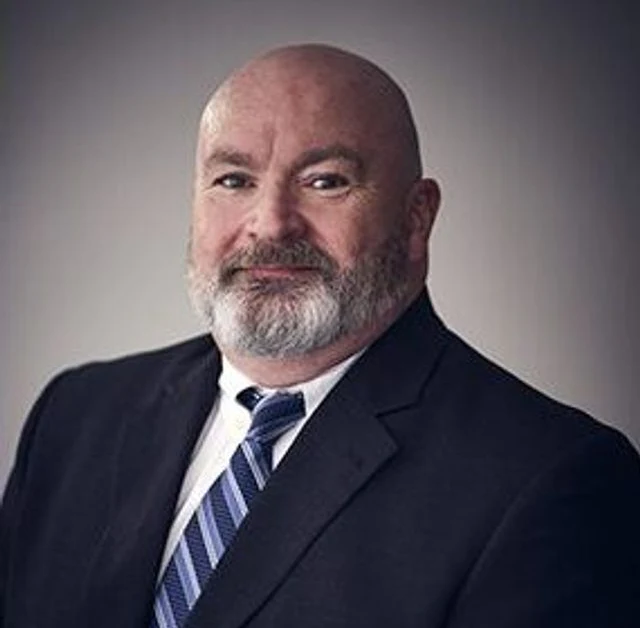
Scott Pryor, a U.S. Marine Corps veteran and trial lawyer, leads the firm with litigation attorneys Andrew and Zane Bradford. Each client has an attorney and a case manager who answer questions and keep the family informed.
Swipe →

Scott Pryor
- U.S. Marine Corps veteran
- Litigator's Award: Top 1% of Trial Lawyers in the Nation
- Georgia Trial Lawyers Association (Champion Level)
Andrew
- AV Preeminent rating, Martindale-Hubbell
- Licensed in all state courts of Georgia and Tennessee
- Admitted to the U.S. Courts of Appeals for the Eleventh and Fourth Circuits

Zane Bradford
- U.S. Marine Corps Reserve veteran, first Gulf War
- Admitted to the Superior and Supreme Courts of Georgia
- Admitted to the U.S. District Court, Northern District of Georgia
What clients say
3,200+ Google Reviews
Swipe →
After my car wreck, they took over and made things easy. So glad I trusted them.Co Co
Helped me settle fast after a semi-truck accident. Very professional team.Justin Wilson
They gave great advice after my motorcycle injury. Straight to the point and honest.Josiah Jenkins
Great experience from start to finish. They made a tough time much easier.Roman Lytle
Scott Pryor Law Group handled everything smoothly. Zero stress on my end.Arontez
The team at Scott Pryor Law is professional, responsive, and gets results. Highly recommend!Zay J
Scott Pryor Law Group is top-notch. They truly care about their clients and know how to win cases.Cameron Colley
Great legal team-organized, knowledgeable, and compassionate.DNaijha James
Jacqueline handled my car accident case and was very personable and understanding. I appreciated the time she took to talk me through the process and keep me updated.Jami G
Scott Pryor Law took care of my car accident. I worked with Jacqueline and she was really amazing and got me a very good settlement. I highly recommend. Thanks Scott Pryor Law.Adebimpe Esther
Jacqueline was so helpful during the process after my car crash! She was so willing to work with me and got me a great settlement!Kat Werner
Jacqueline And the whole team have been very supportive and helped me feel better throughout everything with the wreck 10 out of 10 placeDustin Hall
Questions
Frequently asked questions
What does a brain injury lawyer cost?
Nothing up front. We take brain injury cases on a contingency fee: the consultation is free, there are no out-of-pocket fees while your case is open, and you don't pay unless we win your case. Our fee is a set percentage of what we recover, written into the agreement you sign. Ask about case costs when you schedule your free consultation.
Is a concussion a traumatic brain injury?
Yes. A concussion is a traumatic brain injury, usually graded as mild. It can still cause headaches, dizziness, fatigue, trouble concentrating and mood changes, and some symptoms take hours or days to show. See a doctor, tell them about the accident, and keep a record of every symptom and every visit.
Can a claim include changes in mood or personality?
Yes. A traumatic brain injury can affect thinking, personality and physical abilities. Changes in mood or memory can affect your work and your relationships, and mental anguish and loss of enjoyment of life can be part of the claim. Ask your family to tell your doctor what they have noticed, so it appears in your records.
Can I recover the cost of speech or balance therapy?
Yes. Therapy to help with losses to speech and balance can be part of the medical costs in a brain injury claim, along with occupational and physical therapy. We document the therapy you need now and the therapy your doctors expect you to need later. Keep a record of every session and every bill.
Can a family member call for someone with a brain injury?
Yes. Many people spend the first months after a brain injury in the hospital or in rehabilitation, and a spouse, parent or adult child often makes the first call. That is fine and common. We can meet you at home or in the hospital, and the consultation is free. Phones answered 24/7.
Related articles
 Catastrophic Injury
 How do you cope after a catastrophic injury?
How to cope with the emotional side of a catastrophic injury: telling your doctor, therapy, managing PTSD, daily habits and keeping your support close. Motorcycle Accidents
 What should I do after a motorcycle accident, and when do I need a lawyer?
Steps to take after a Georgia motorcycle crash: at the scene, with your doctor, with the insurer, and when to call a lawyer. Free consultation. Motorcycle Accidents
 What motorcycle laws do Georgia riders need to know?
Georgia's motorcycle helmet law, the other rules riders should know, and how a helmet or a broken rule can come up in an injury claim. Car Accidents
 What are my options after a car accident on a Georgia college campus?
What to do after a car accident on a Georgia college campus as a driver, passenger or pedestrian, what a claim can cover, and the deadline to file.Talk to a lawyer today
Tell us what happened. The consultation is free, and you don't pay unless we win your case.
- 3,200+ Google reviews
- Phones answered 24/7