What mistakes should I avoid after a car accident in Georgia?
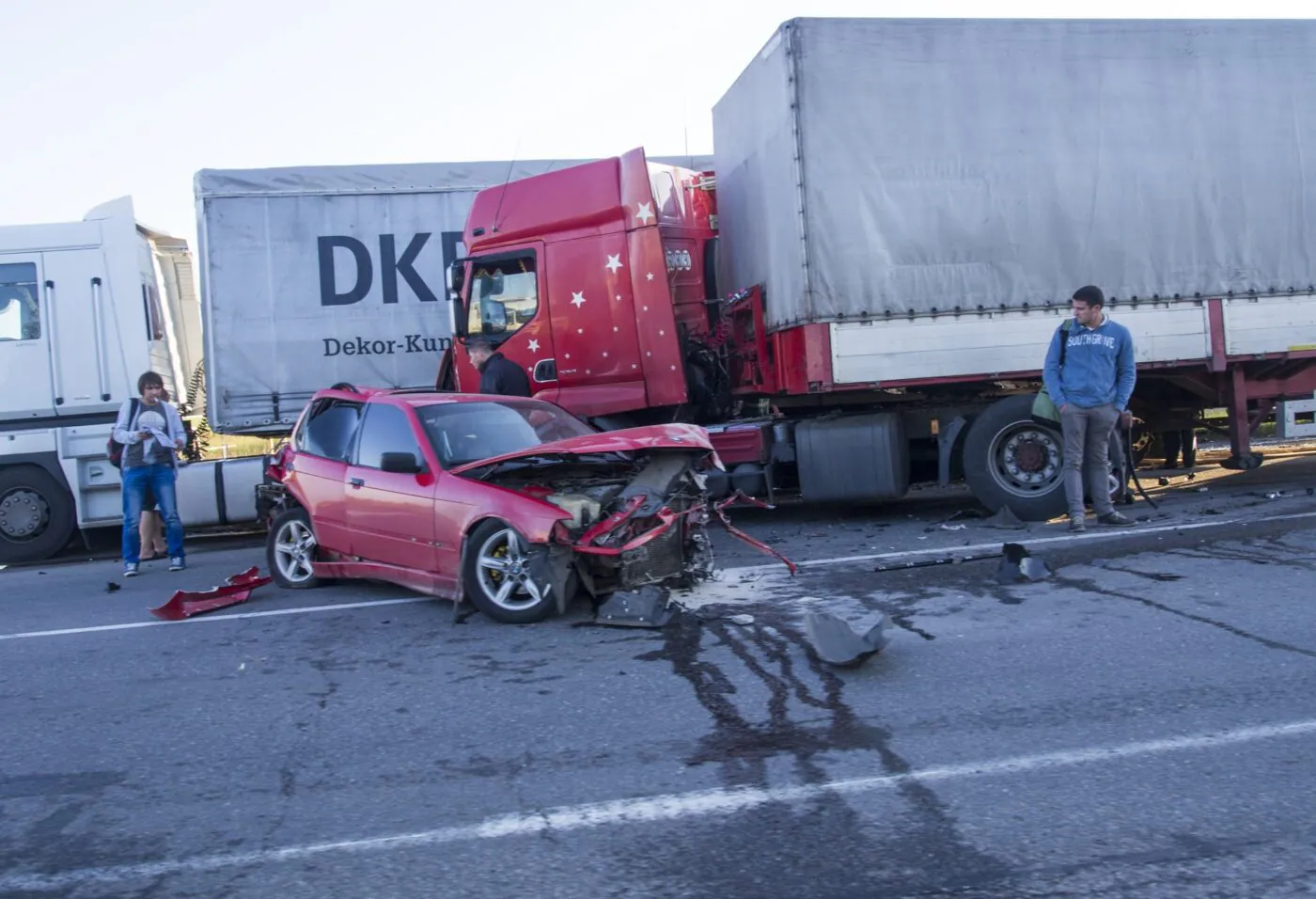
Five common mistakes can hurt a Georgia car accident claim: leaving without a police report, apologizing or guessing about fault, putting off medical care, skipping photos and records, and talking to an insurer before you have a lawyer. Each one gives the insurer a reason to pay less. The Scott Pryor Law Group helps you avoid all five.
Key takeaways
- Call the police, even after a minor crash. The report becomes a record insurers rely on.
- Keep talk at the scene short and factual. Do not apologize or guess about fault.
- See a doctor promptly, and keep every follow-up appointment.
- Photograph the scene and keep records of every bill, visit and missed workday.
- Talk to a lawyer before you give any insurer a recorded statement.
Why does what I do after a car accident matter for my claim?
Insurers start judging fault and damages right away, often before you know how badly you are hurt. In a Georgia car accident claim, small choices at the scene and in the days after can be used to reduce or deny what you recover. The Scott Pryor Law Group helps you make those choices with the claim in mind.
Fault is the main target. Georgia’s comparative negligence rule: If you are less than 50% at fault, you can still recover damages, reduced by your percentage of fault. O.C.G.A. § 51-12-33
That rule is why insurers listen closely to what you say and watch what you do. A stray apology, a skipped appointment or a missing photo can each become an argument that you share the blame or were not badly hurt.
Insurance companies handle claims like yours every day. Most people handle one. Each of the mistakes that follow is easy to make in the moment, and each one is avoidable once you know about it.
Should I call the police after a minor car accident?
Yes. Stay at the scene and call the police after any Georgia car accident, even one that looks minor. A police report gives The Scott Pryor Law Group and the insurers an objective record of the car accident: the drivers, the witnesses, the road conditions and any visible injuries.
Leaving the scene, or skipping the call because the damage looks small, is one of the more damaging mistakes after a crash. Without a report, an insurer can question how the crash happened or claim your injuries came from something else.
A police report often becomes the starting point for insurance negotiations, and for a lawsuit if one is needed. Officers record driver information, witness statements, road conditions and visible injuries. Insurers lean on that record when they evaluate fault and damages.
Call even if you feel fine. Pain and other symptoms can show up later, and by then the scene is gone. Before you leave, ask the officer how to get a copy of the report, and write down the report number.
Should I apologize after a car accident?
No. After a Georgia car accident, saying “I’m sorry” can be read as an admission of fault, even when you only meant to be kind. The Scott Pryor Law Group’s advice is to exchange the required information, cooperate with the police and keep every conversation at the scene short and factual.
Insurers review what was said at the scene. Even a partial admission of fault can be used to reduce or deny what you recover.
You may not know yet what caused the crash. The other driver may have been distracted, speeding or breaking a traffic law, and that can take an investigation to show. Our guide to proving distracted driving explains how that evidence is gathered.
So skip the guesses. Do not say whose fault it was, do not speculate about speed, and do not make statements that could be taken out of context later. Being polite and being careful can go together.
What happens if I wait to see a doctor after a car accident?
Waiting gives the insurer an argument that the car accident did not cause your injuries, or that they were not serious. Some injuries, such as concussions, internal injuries and soft tissue damage, may not hurt right away. The Scott Pryor Law Group advises anyone hurt in a Georgia crash to get checked promptly, even when they feel fine.
Adrenaline often masks symptoms after a crash, so many people believe at first that they were not hurt.
Gaps in care cause the same trouble. A break in treatment can suggest your pain went away quickly, even when it did not.
Prompt care protects your health first. It also creates a clear link between the crash and your injuries. After that first visit:
- Follow your doctor’s treatment plan.
- Go to every follow-up appointment.
- Keep a record of every visit, bill and symptom.
Early medical records make it harder for an insurer to blame your injuries on an earlier condition.
What should I photograph after a car accident?
If you can do it safely, photograph the vehicle damage, skid marks, road conditions, traffic signs and any visible injuries. Evidence from a Georgia car accident disappears fast: cars get moved, debris gets cleared and injuries heal. The Scott Pryor Law Group uses those photos to show how the crash happened and what it cost you.
Video works too. Then keep collecting:
- Names and contact details for anyone who saw the crash
- Medical records, prescriptions and bills
- The days of work you missed
- Notes on how your injuries affect your daily life
Without that record, the insurer can challenge the extent of your losses. With it, your legal team can tell the whole story of how the crash happened and how it changed your life.
You do not need to be a photographer. Take more pictures than you think you need, from several angles, and save them somewhere you will not lose them.
Should I give the insurance company a recorded statement?
Not before you talk to a lawyer. Adjusters may call within hours of a Georgia car accident, and they often sound friendly, but their job is to protect the insurance company. A recorded statement can be used to minimize your injuries or shift fault. The Scott Pryor Law Group can take those calls for you.
What you say on a recorded call can be replayed later and picked apart. A guess about speed, or an “I’m fine” said out of habit, can be used against your claim.
Early offers bring their own risk. A first offer often comes before anyone knows the full extent of your injuries, and accepting it means giving up the right to claim more later. Our Georgia car accident lawyer page covers whether to accept the insurance company’s first offer.
With a lawyer handling the insurers, you stop taking those calls. We gather the evidence, deal with the adjusters and pursue compensation for your medical bills, lost income, and pain and suffering while you focus on healing.
What if I already made one of these mistakes?
Call anyway. A missed police report or a late doctor’s visit can make a Georgia car accident claim harder to prove. You may still have a claim. The Scott Pryor Law Group looks at the evidence that still exists, what can be gathered now and how much time is left, then tells you honestly where you stand.
One mistake cannot be fixed later: missing the deadline to file. The deadline: Victims generally have two years to file a personal injury lawsuit. O.C.G.A. § 9-3-33
Evidence fades much sooner than that. Witnesses forget details, and video from nearby businesses can be recorded over. The earlier you call, the more we can still find.
The first call is free. We listen to what happened, tell you what evidence we would look for and explain your options. If we take your case, we handle the insurers from there. You don’t pay unless we win your case.
Review our case results, or schedule a free consultation. Phones answered 24/7.
Hurt in a car accident in Georgia? The consultation is free. You don't pay unless we win your case.
Free Case Review or call (404) 474-7122