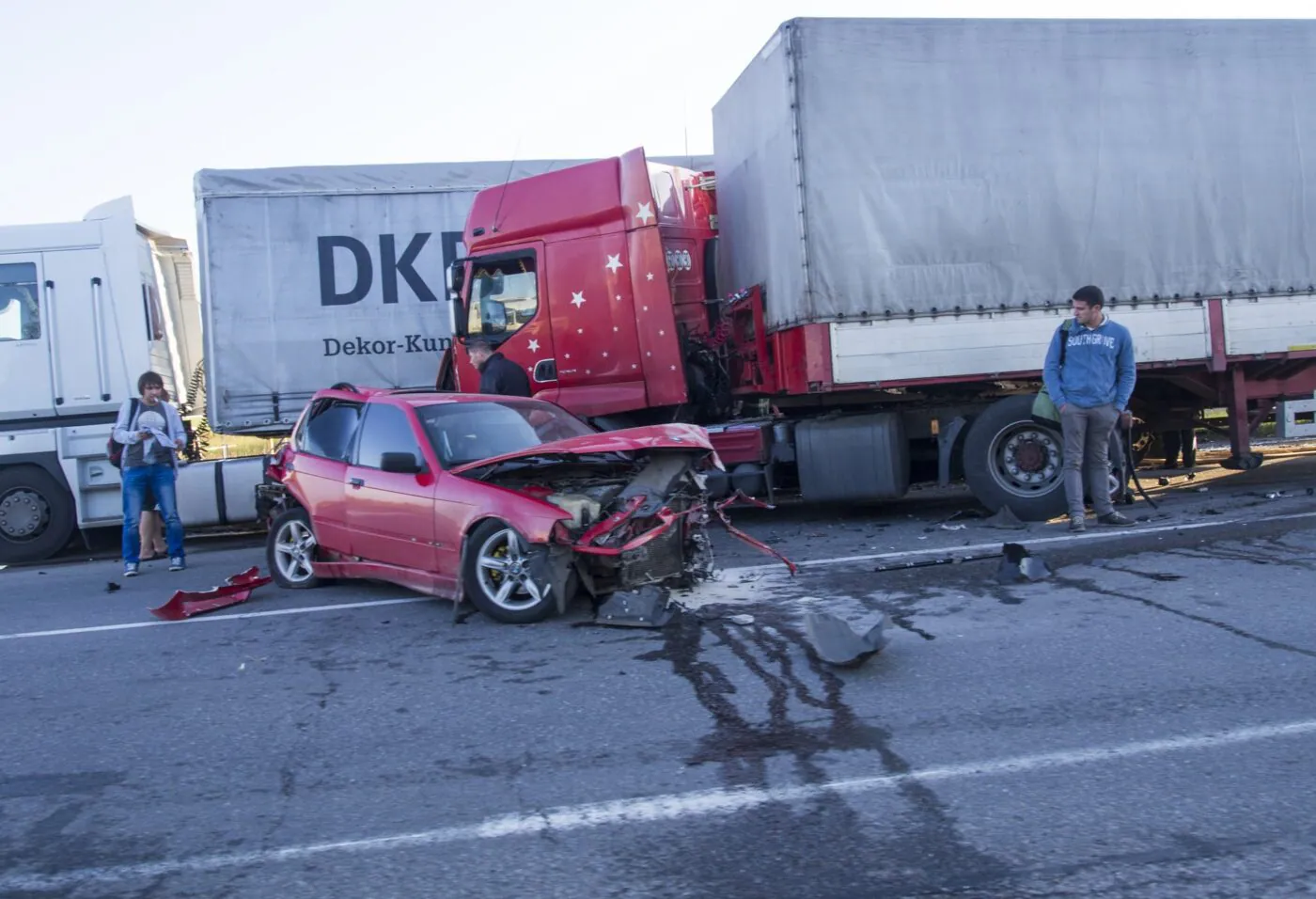
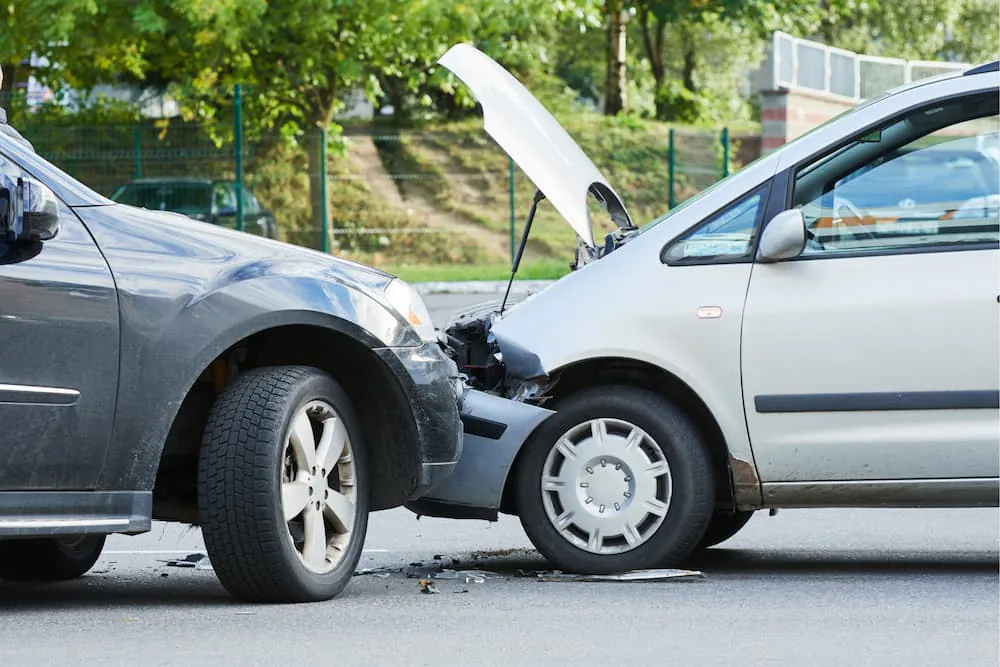
What happens if someone else crashes my car in Georgia?
Three things decide who pays when someone else crashes your car in Georgia: whether you gave permission, which policies cover the car and the driver, and who caused the crash. When the driver had permission, your own policy usually pays first. The Scott Pryor Law Group can tell you which policies apply to your car accident.
Key takeaways
- Auto insurance generally follows the car, so your policy usually pays first when you lend it out.
- The driver's own policy may cover what is left after your limits.
- A car taken without your permission is usually outside your coverage.
- Tell your insurer about the crash right away, and say who was driving.
- If a claim is made against you as the owner, talk to a lawyer before you give any statement.
Can someone else legally drive my car in Georgia?
Yes, when you give them permission. That can be a yes to one trip or a standing offer to use the car whenever they need it. After a Georgia car accident, permission is the first thing insurers check, and it is where The Scott Pryor Law Group starts when it reviews which policies cover the crash.
Permission does not always come in words. A family member who has your keys and uses the car with your knowledge may be treated as having it. A friend you told not to drive the car does not have it, even if they took the keys.
Your policy matters as much as permission. Most auto policies cover the drivers named on the policy and anyone else who drives a listed car with the owner’s permission. Read yours before you lend the car, or send it to us after a crash and we will read it with you.
Before you hand over the keys, it helps to know three things: that your policy covers other drivers you allow, that the driver carries insurance of their own, and that the driver is in a fit state to drive. Each one comes up again if there is a crash.
Whose insurance pays when someone else is driving my car?
Your policy usually pays first. Auto insurance generally follows the car, so when someone crashes your car in Georgia with your permission, your insurer provides the primary coverage. The driver’s own policy can cover losses above your limits. The Scott Pryor Law Group reads both policies, because their wording decides the order.
| Who was driving | Usually pays first | Can also pay |
|---|---|---|
| Someone you gave permission | Your policy | The driver’s own policy, above your limits |
| Someone who took the car without permission | The driver’s own policy, if they have one | Your policy usually does not apply |
Primary coverage pays first, up to your policy limits. Secondary coverage from the driver’s policy can pick up losses above those limits.
Even after your insurer pays, it may try to recover part of what it paid from the driver’s insurer. That is a matter between the two companies.
Because the wording of each policy decides the order, two crashes that look alike can play out differently. Do not assume who pays until someone has read both policies.
What if someone took my car without permission?
If someone took your car without permission, such as a thief or a friend you told not to drive it, your auto policy will usually not cover the crash. After a Georgia car accident like that, The Scott Pryor Law Group helps you show the car was taken, so the claims point at the person who caused the crash.
Georgia’s at-fault rule: Georgia follows an at-fault system: whoever caused the crash is liable. O.C.G.A. § 51-1-6
When someone takes your car and crashes it, that person caused the crash. Their own insurance, if they have any, may provide the coverage instead of yours.
Proof matters here. If the car was stolen, report it to the police as soon as you know it is gone. If a friend or relative took the keys after you said no, write down when and how you said it, and who else heard you.
Can I be held responsible for a crash someone else caused in my car?
It can depend on what you knew about the driver. If a claim is made against you as the owner after a Georgia car accident, expect questions about the driver’s record, their condition when they took the keys, and their insurance. The Scott Pryor Law Group can explain what those questions mean for you in a free consultation.
An owner can be liable for a crash caused by someone they allowed to drive. Under the rule of negligent entrustment, you might bear liability for an accident if you knew or should have known that the person you lent your vehicle to posed a substantial risk of causing an accident. You might also bear liability if you lent your vehicle to someone you knew or should have known did not have auto liability insurance.
Claims against owners tend to focus on situations like these:
- The driver had a history of reckless driving that you knew about.
- The driver was visibly drunk or impaired when you handed over the keys.
- You knew the driver had no auto insurance.
If a claim names you, report it to your insurer right away. Then talk to a lawyer before you give anyone a statement about what you knew. Your answers matter, and they should be accurate and complete.
Keep what you have on the driver: how long you have known them, how often they have used the car, and anything they told you about their license or insurance. Those details help answer the questions above.
How does fault affect the claims after someone else crashes my car?
Fault for the crash shapes every claim that follows. If another driver caused this Georgia car accident, the claims point at that driver and their insurer, whoever was behind your wheel. If the person driving your car caused it, your policy usually responds first. The Scott Pryor Law Group sorts out fault early, before it advises you on any claim.
Fault can also be shared between drivers. Georgia’s comparative negligence rule: If you are less than 50% at fault, you can still recover damages, reduced by your percentage of fault. O.C.G.A. § 51-12-33
Insurers know this rule, and they argue about fault to lower what they pay. A borrowed car does not change that. Evidence settles it: the police report, photos of the scene, witness accounts and the damage to each car. We gather it early, before it is lost.
If the person you lent the car to caused the crash, the people they hurt will usually claim against your policy first, because it provides the primary coverage. That is why the limits on your own policy matter, and why the driver’s policy can matter too when the losses run higher.
If you were riding in your own car when someone else drove it, or the person you lent it to was hurt, and another driver caused the crash, that is a claim we handle. Our Georgia car accident lawyer page explains how we run it.
What should I do after someone crashes my car?
Get the facts down, report the crash to both insurers and keep every receipt. After a Georgia car accident in your car with someone else driving, tell your insurer who was driving. The Scott Pryor Law Group can help if your insurer denies coverage, or if you or someone in your car was hurt.
Take these steps as soon as you can:
- Collect information from the other drivers involved and from anyone who saw the crash.
- Report the crash to the police and get a copy of the accident report.
- Notify your insurer. Tell them someone else was driving your car.
- Notify the driver’s insurer as well.
- Keep every bill, invoice and receipt for expenses the crash caused.
- Talk to a lawyer, especially if your insurer denies coverage or someone files a claim against you.
When you call us, we listen to what happened, look at the policies involved and explain your options. If you were hurt and another driver was at fault, you don’t pay unless we win your case.
Review our case results, or schedule a free consultation. Phones answered 24/7.
Hurt in a car accident in Georgia? The consultation is free. You don't pay unless we win your case.
Free Case Review or call (404) 474-7122